Rotating Residential Proxies Pricing and How to Buy for Real Efficiency
At first glance, rotating residential proxies pricing looks easy to compare. One provider says $1 per GB. Another says $3.25 per GB. Another starts near $6 per GB. That makes it tempting to assume the cheapest plan is automatically the best deal.
In practice, that is where many buyers make the wrong purchase.
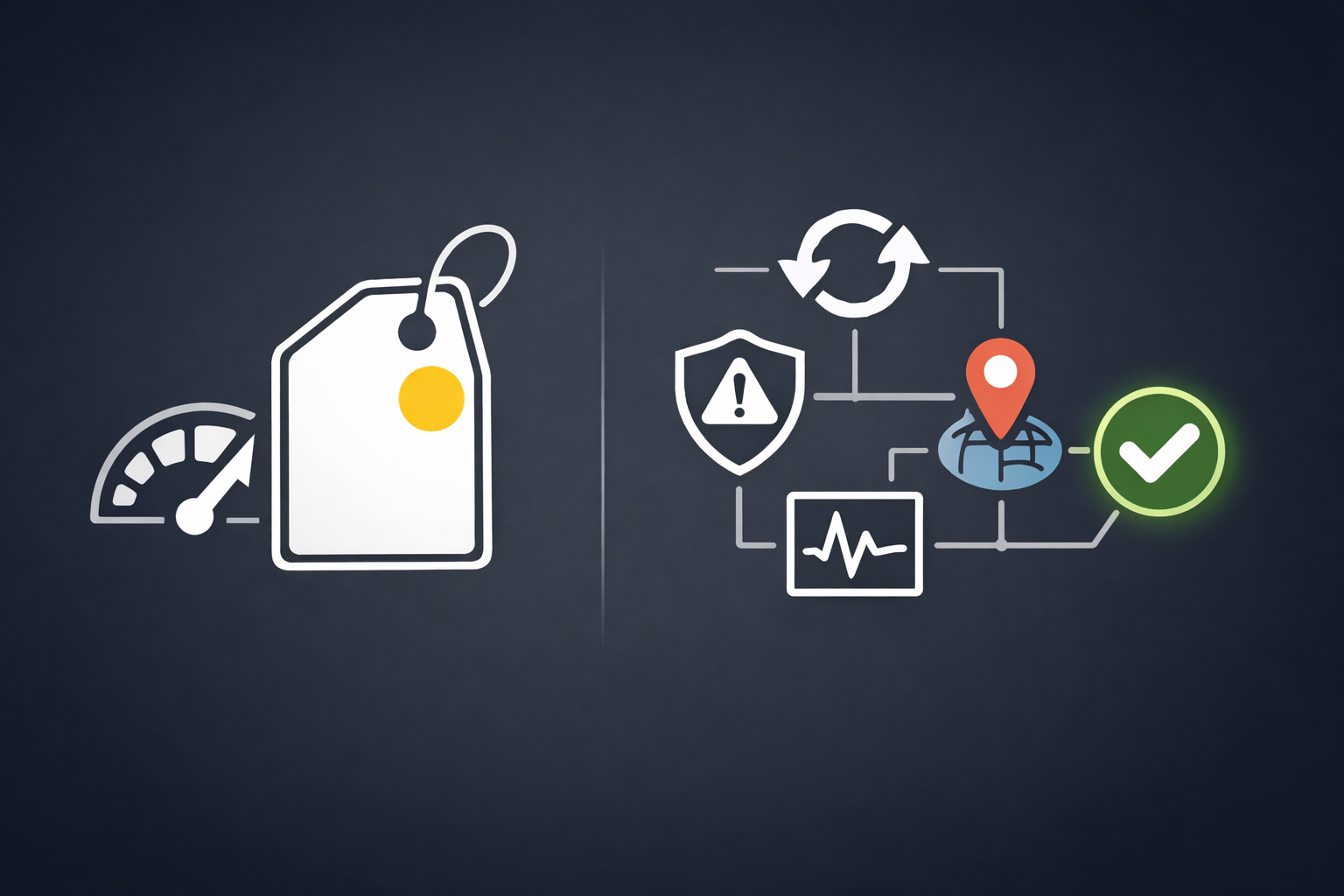
The real question is not just how much rotating residential traffic costs on paper. The real question is how much useful work that traffic produces once retries, blocks, session resets, geo targeting, and workflow failures are taken into account. A team comparing vendors only by headline price can easily end up paying more for worse outcomes. That is why buyers evaluating Rotating Residential Proxies Pricing should think in terms of operating cost, not sticker price.
Today’s market already shows how wide the range can be. Public pricing pages currently span from around $1 per GB at the low end to roughly $6 per GB or more on smaller plans, with many mid-market offers clustering around the $2 to $4 per GB range depending on volume and packaging. Current public pricing examples from DataImpulse residential proxies pricing, Decodo residential proxies pricing, Oxylabs residential proxy pricing, and Bright Data residential proxy pricing make that spread clear.
Why Rotating Residential Proxy Prices Vary So Much
Two plans can both be called rotating residential proxies and still behave very differently in production.
One network may offer broad country coverage but weaker city precision. Another may have stronger session control, cleaner IP quality, or better targeting depth. Some vendors include sticky session options, API access, authentication flexibility, or traffic that does not expire, while others use stricter packaging and smaller plan structures. Those differences change real value more than many pricing tables admit.
This is why the category needs to be read as a pricing model question, not just a proxy brand question. Buyers who need stable geo-sensitive automation, large-scale data collection, or login-heavy flows are not buying bandwidth alone. They are buying the chance of getting a clean, successful result with fewer wasted attempts.
That is also why MaskProxy is more useful when treated as an operational buying decision rather than a generic cheapest-proxy search. If your main comparison starts with raw provider lists, you often miss the bigger cost drivers that show up only after deployment.
The Main Pricing Models Buyers Need to Understand
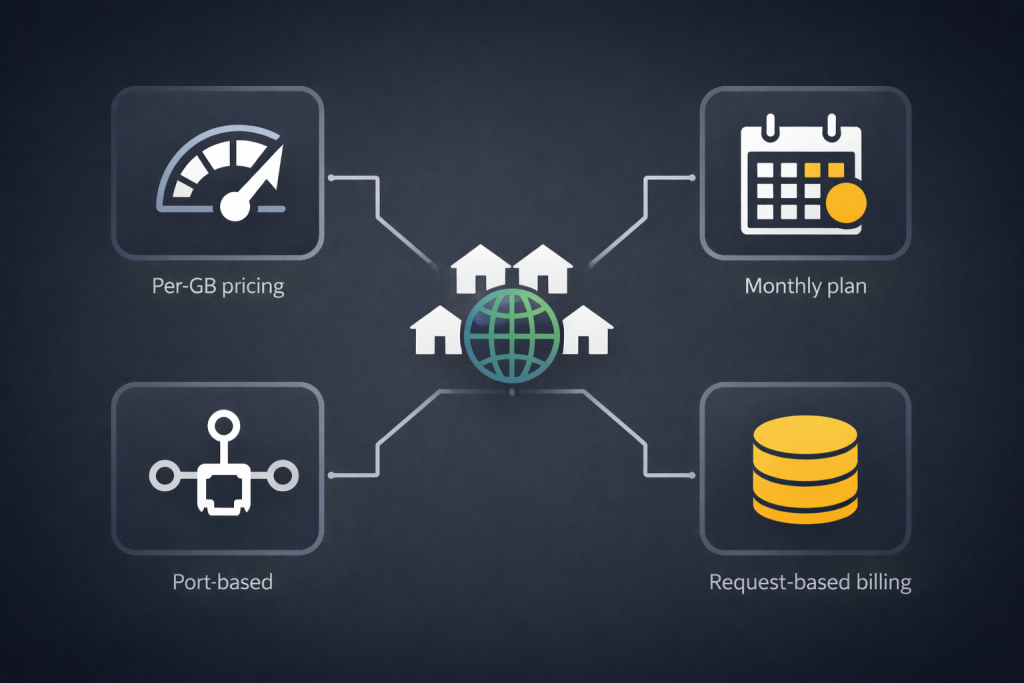
The most common model is per-GB pricing. It is simple, flexible, and easy to test with. If your traffic usage changes week to week, pay-as-you-go or smaller monthly bandwidth bundles can be reasonable. But per-GB pricing also makes waste expensive. Failed requests, oversized responses, repeated retries, and poor session fit all burn bandwidth whether the task succeeds or not.
The second common model is a monthly plan with included traffic. This works better for teams with recurring workloads and predictable usage. You get cleaner budgeting, but you also risk overcommitting to more traffic than you use or buying too little and needing expensive add-ons later.
Some providers also sell access in ways that are less transparent at first glance, including port-based access, concurrency-linked packaging, or request-based credits. These can be easier to operationalize for some teams, but they are harder to compare fairly unless you convert them back into one question: what is the effective cost per successful workflow?
When teams compare Residential Proxies, this is often the first place the buying process becomes more useful. Residential traffic may look expensive beside datacenter alternatives, but the right comparison is not category against category in isolation. It is which model creates fewer failures for your exact workload.
What Rotating Residential Proxies Usually Cost in the Market
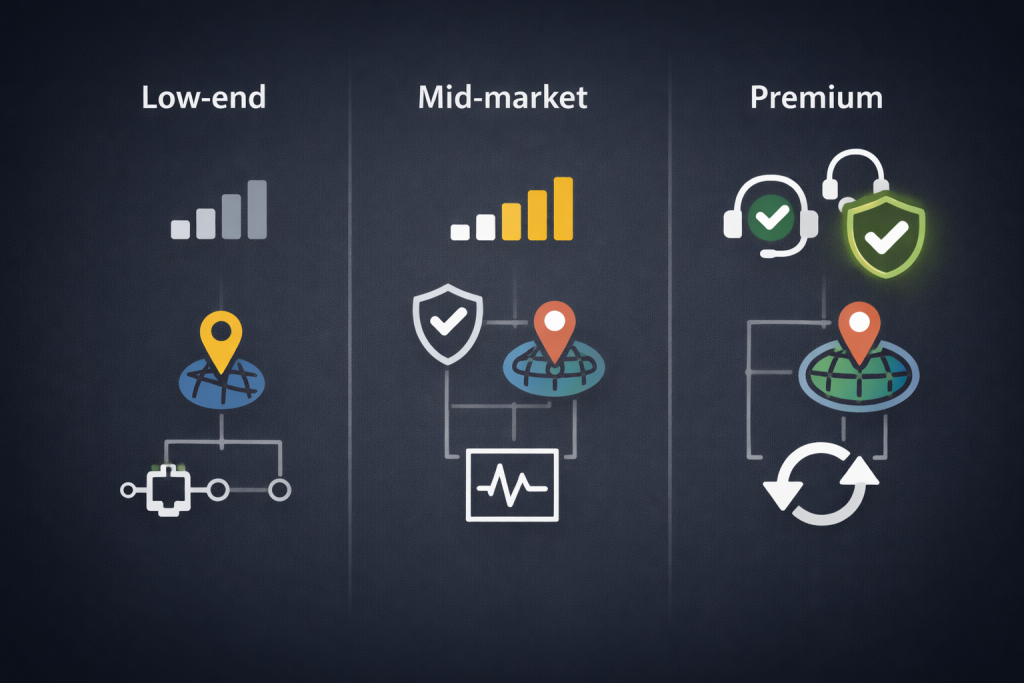
The public market is wide enough that a buyer should not trust any single average-price claim.
At the lower end, some providers promote offers around $1 per GB. Mid-market plans commonly sit around $2 to $4 per GB depending on volume. Higher-tier and smaller-entry plans can run closer to $5 to $6 per GB or beyond, especially when targeting depth, support level, or packaging is stronger. Enterprise pricing can go lower at scale, but small buyers rarely get that effective rate on day one.
A few current public examples help frame the range. DataImpulse advertises residential pricing near the low end. Decodo shows smaller bundles at a higher per-GB rate that drops with volume. Oxylabs positions smaller plans near the premium side of the market, with lower rates at larger commitments. Bright Data also places residential traffic toward the upper end of common public pricing.
These numbers matter, but they should be treated as market anchors, not final buying answers. A low entry rate can still produce a worse monthly spend if the network causes more retries, more blocked flows, or weaker geo consistency.
The Hidden Costs That Turn Cheap Plans Into Expensive Plans
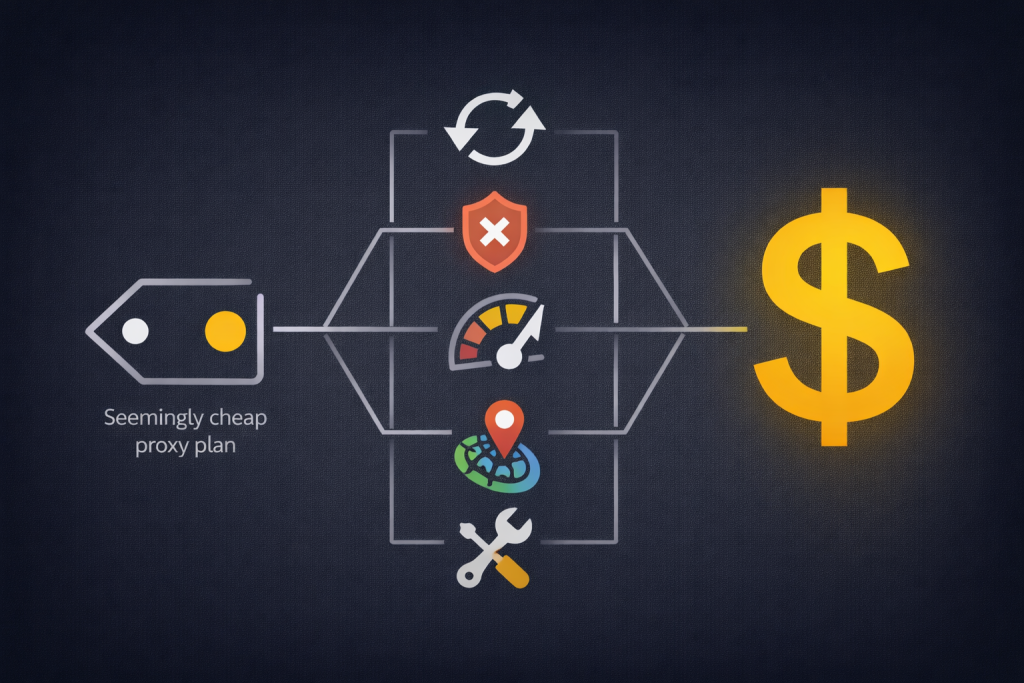
This is where most cheap rotating proxy comparisons fail.
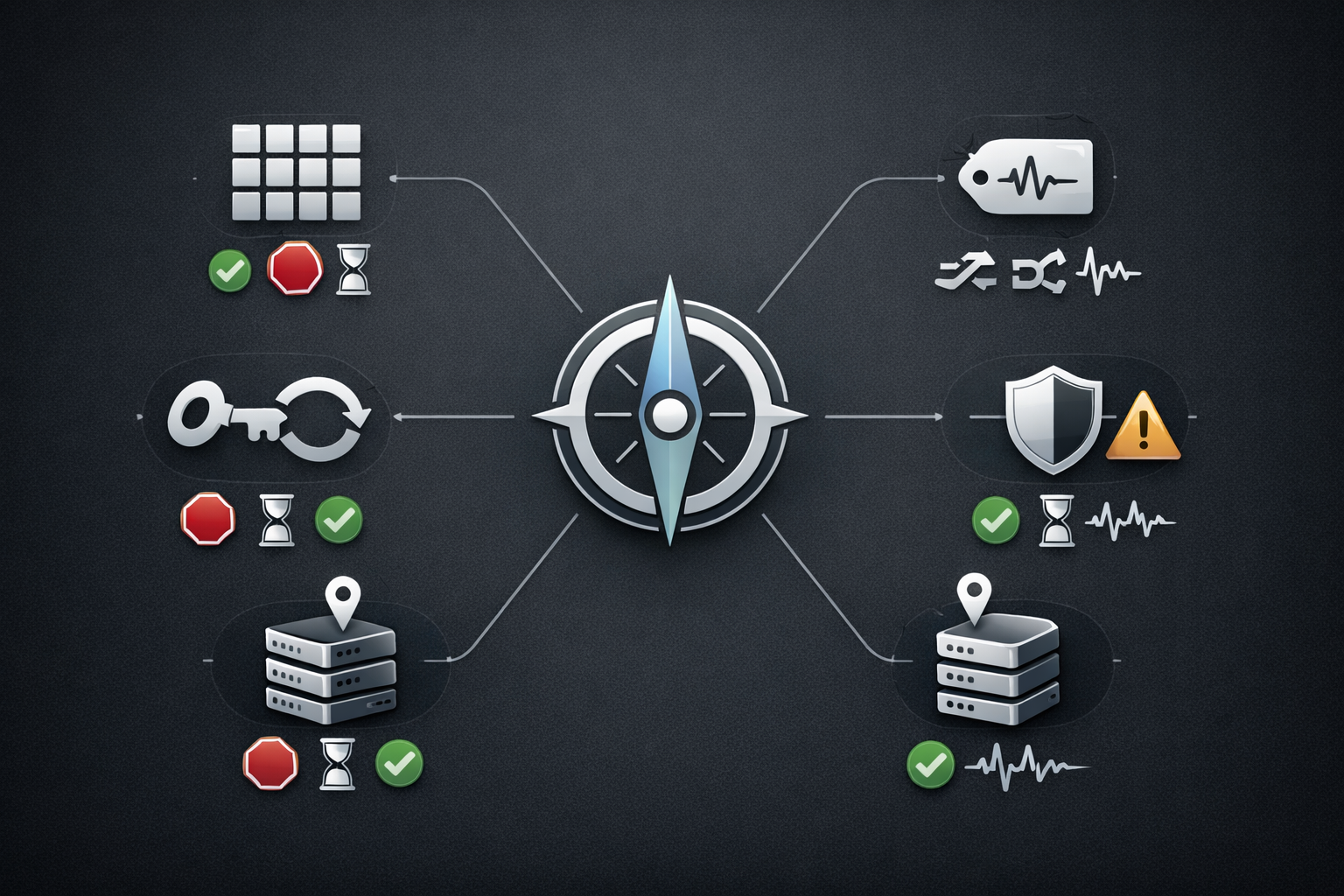
The first hidden cost is retry inflation. If a plan produces more HTTP 429 rate-limit responses, more temporary failures, or more unstable routing, your scripts consume more traffic to get the same output. The HTTP standard itself defines 429 Too Many Requests as a signal that the client has exceeded the allowed request rate, while RFC 6585 and RFC 9110 explain the surrounding semantics and response handling. In other words, blind repetition is not a pricing strategy. It is often a bandwidth leak.
The second hidden cost is session mismatch. Some workloads need aggressive rotation. Others need a stable identity for long enough to finish a login, cart, checkout, sign-up, or multi-step automation path. If your rotation behavior is wrong for the workflow, the task breaks even though the proxy technically worked.
The third hidden cost is engineering time. A cheaper plan that demands constant tuning, manual retry logic changes, geo workarounds, and exception handling can cost more in labor than a more stable plan with a higher per-GB rate.
This is why buyers comparing Rotating Proxies should not stop at list prices. A plan that is cheap only under ideal conditions is often expensive under real traffic, real block behavior, and real target complexity.
Cost Per Successful Outcome Is the Metric That Actually Matters
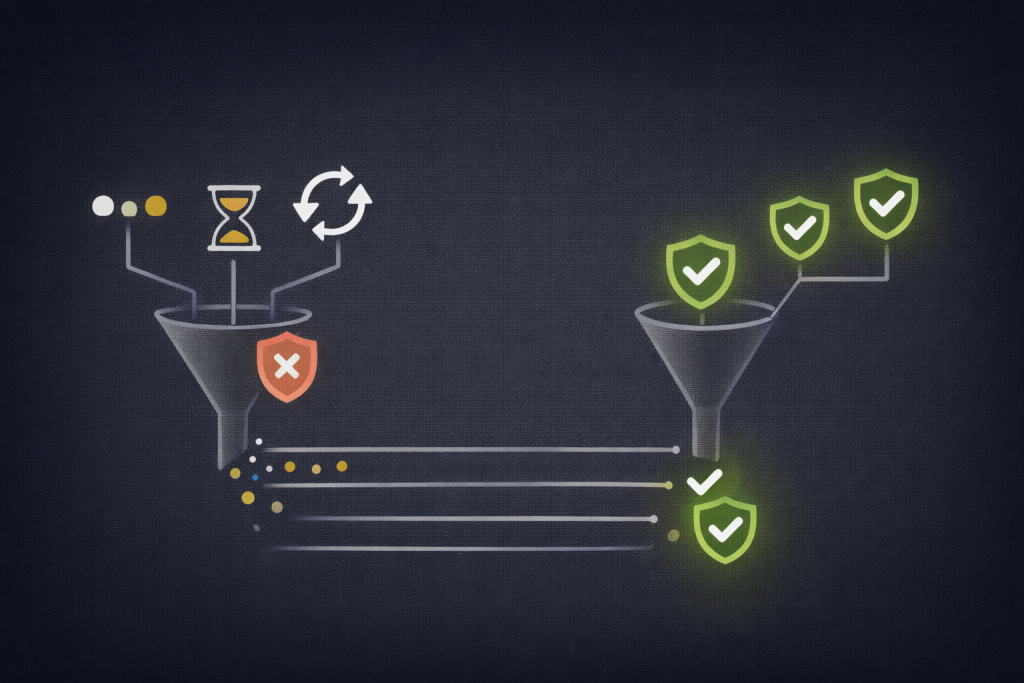
A much better buying model is this:
Effective cost per successful outcome equals total proxy spend divided by successful completed tasks.
That task might be a finished product page collection, a completed search result fetch, a verified signup flow, or a stable account action. Once you think this way, pricing tables stop being the whole story.
Imagine one plan costs $1.50 per GB but produces unstable sessions and extra retries. Another costs $3.25 per GB but completes the same workflow with fewer attempts and less wasted traffic. The second plan can easily end up cheaper per finished result, especially in session-heavy or block-sensitive environments.
This is the core reason a buyer-oriented pricing guide is more useful than a generic provider roundup. It reflects how teams actually spend money after launch.
For some teams, MaskProxy will be more attractive when judged on this basis instead of on headline price alone. That is especially true when the workload is not just broad scraping, but also involves reliability-sensitive automation where failed attempts carry downstream cost.
Cheap vs Efficient Buying Decisions
A cheap plan can still be the right choice.
If you are testing a new workflow, scraping public pages at moderate volume, collecting low-value data, or exploring a market where some failure is acceptable, low-cost pay-as-you-go residential traffic can make sense. You preserve flexibility and avoid locking into large commitments too early.
But cheap is not the same as efficient.
If you need higher success on sensitive targets, more consistent geography, or fewer broken sessions in long workflows, paying more can be completely rational. The wrong cheap plan does not just lower success rates. It also distorts your data, increases infrastructure noise, and makes capacity planning harder.
This is where many buyers should pause and ask whether rotating residential traffic is even the best category for the job.
When Rotating Residential Proxies Are the Wrong Purchase
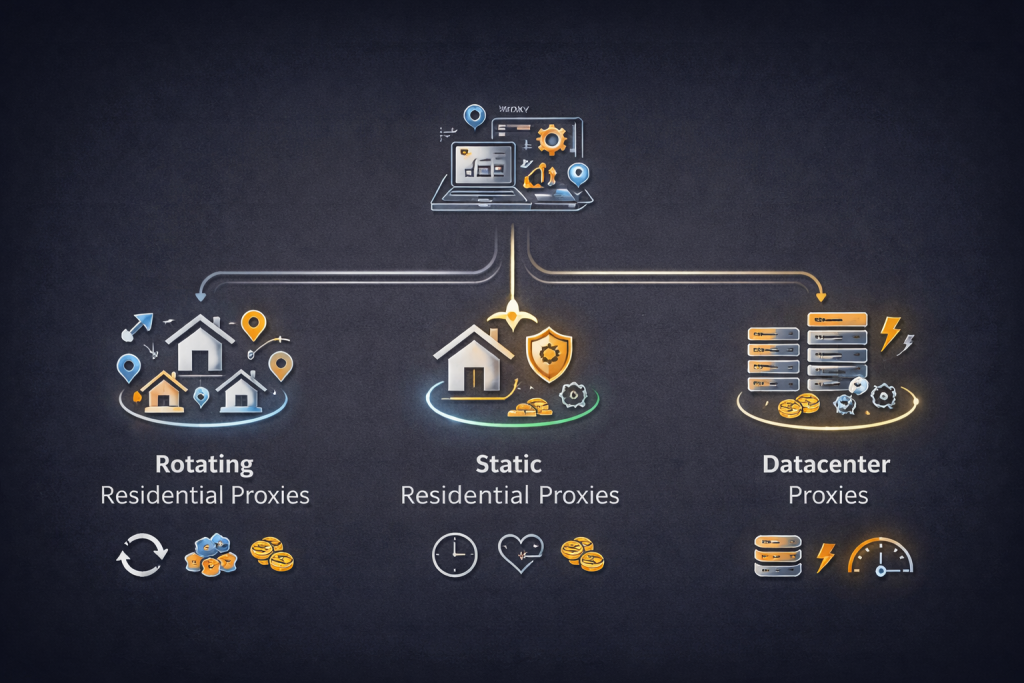
Rotating residential proxies are not the default answer for every workload.
If you are collecting large volumes of relatively public data and the target is not especially hostile, datacenter proxies may deliver far better economics. They are often cheaper and easier to scale, especially when your task is throughput-heavy rather than identity-sensitive.
If your workflow depends on a more persistent identity, static residential proxies may be a better fit. Long-session tasks, account management, and flows that break when the IP changes often benefit more from stable residential identity than from aggressive rotation.
That is why a serious buyer should compare rotating residential traffic against the alternatives, not just compare one residential vendor against another. For many teams, Static Residential Proxies are a better purchase for account stability, while rotating residential traffic is better suited to request distribution and broader pool diversity.
How to Choose the Right Plan for Your Workload
The best buying decision usually comes from four questions.
First, how sensitive is the target. If the site is heavily protected, raw low-end price matters less than clean completion rate.
Second, does the workflow need stable identity or frequent rotation. A search collection bot and a long checkout automation do not have the same session needs.
Third, what does failure actually cost you. If every failed result just means a minor delay, a lower-cost plan may be fine. If every failed session disrupts revenue operations or expensive automation, stability becomes a pricing factor.
Fourth, what is your real unit of value. Some teams care about cost per GB. Better teams care about cost per useful dataset, cost per verified action, or cost per completed workflow.
A buyer comparing residential pricing this way usually makes a much stronger decision than someone scanning a cheap rotating proxy list and picking the lowest number.
Final Thoughts on Rotating Residential Proxies Pricing
The smartest way to buy rotating residential proxies is not to chase the lowest advertised rate. It is to match the pricing model to the workload.
Per-GB plans are useful, but they are only the starting point. Monthly plans can help if usage is predictable. Port-based or credit-based packaging may work in specific environments, but they still need to be translated back into real operating economics. Hidden costs such as retries, failed sessions, unstable targeting, and wasted engineering time are often what separate a cheap invoice from an expensive deployment.
For buyers who want a practical baseline, comparing rotating residential traffic with Rotating Datacenter Proxies is often the fastest way to see whether residential rotation is truly necessary for the workload at hand.
In the end, the best plan is the one that gives you the lowest cost per successful outcome, not the lowest headline price.

Daniel Harris is a Content Manager and Full-Stack SEO Specialist with 7+ years of hands-on experience across content strategy and technical SEO. He writes about proxy usage in everyday workflows, including SEO checks, ad previews, pricing scans, and multi-account work. He’s drawn to systems that stay consistent over time and writing that stays calm, concrete, and readable. Outside work, Daniel is usually exploring new tools, outlining future pieces, or getting lost in a long book.
FAQ
1.How much do rotating residential proxies usually cost
Most public pricing falls within a wide range, often from about $1 per GB at the low end to $6 per GB or more on smaller or premium plans.
2.Are rotating residential proxies always priced per GB
No. Many providers use per-GB billing, but some also offer monthly bundles, credits, or other access-based pricing models.
3.Why can a cheap plan become expensive in practice
Because low headline pricing can still lead to higher total cost through retries, failed sessions, wasted bandwidth, and extra tuning work.
4.When are rotating residential proxies the wrong choice
They are often the wrong fit when the workload mainly needs low-cost scale or a stable long-session identity rather than frequent IP rotation.
5.What should buyers compare besides price
Buyers should compare success rate, session fit, geo quality, retry behavior, and cost per successful outcome.