
HTTP Proxy vs SOCKS5 for Browser Logins, Automation, and Speed Tests
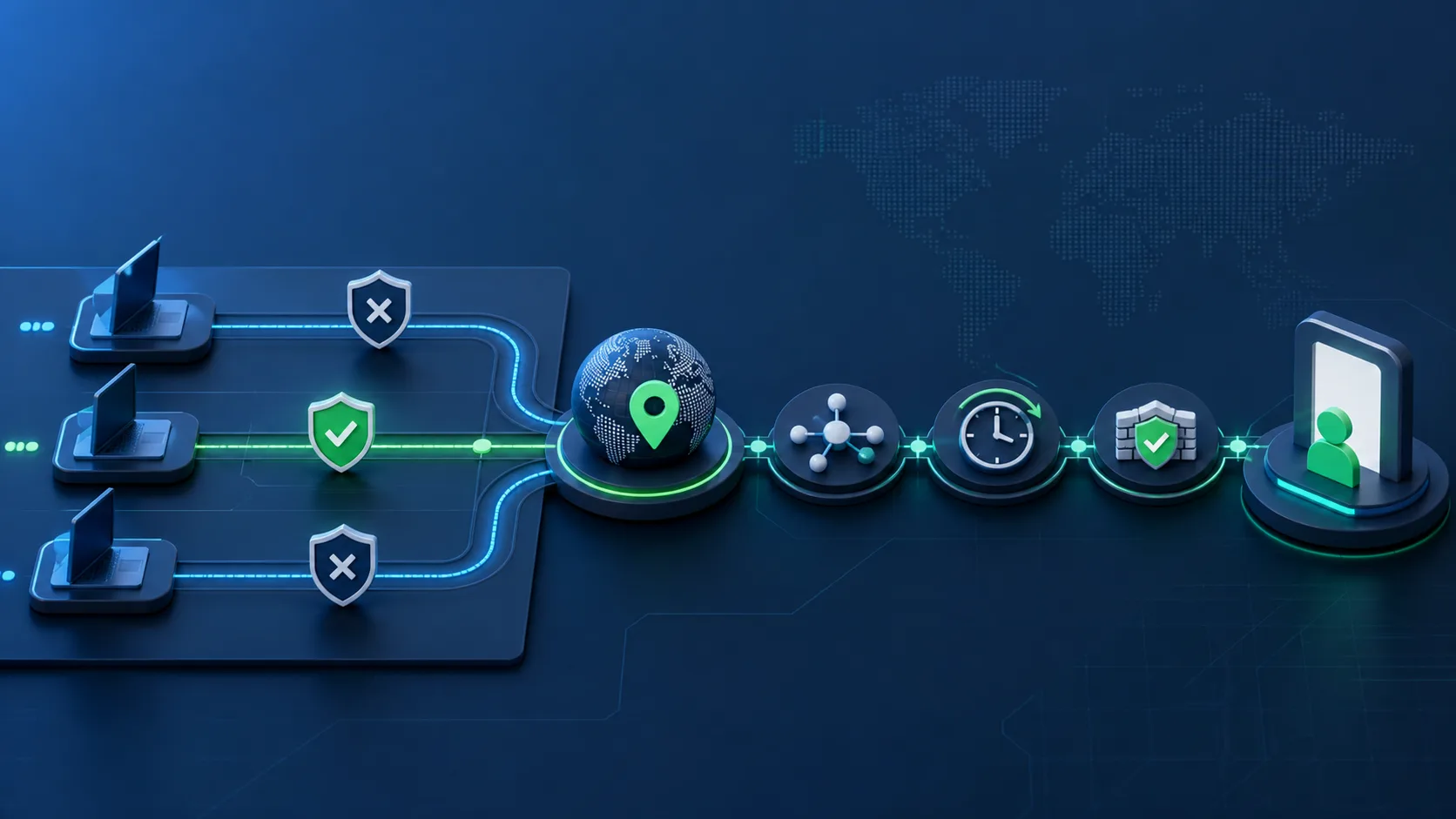
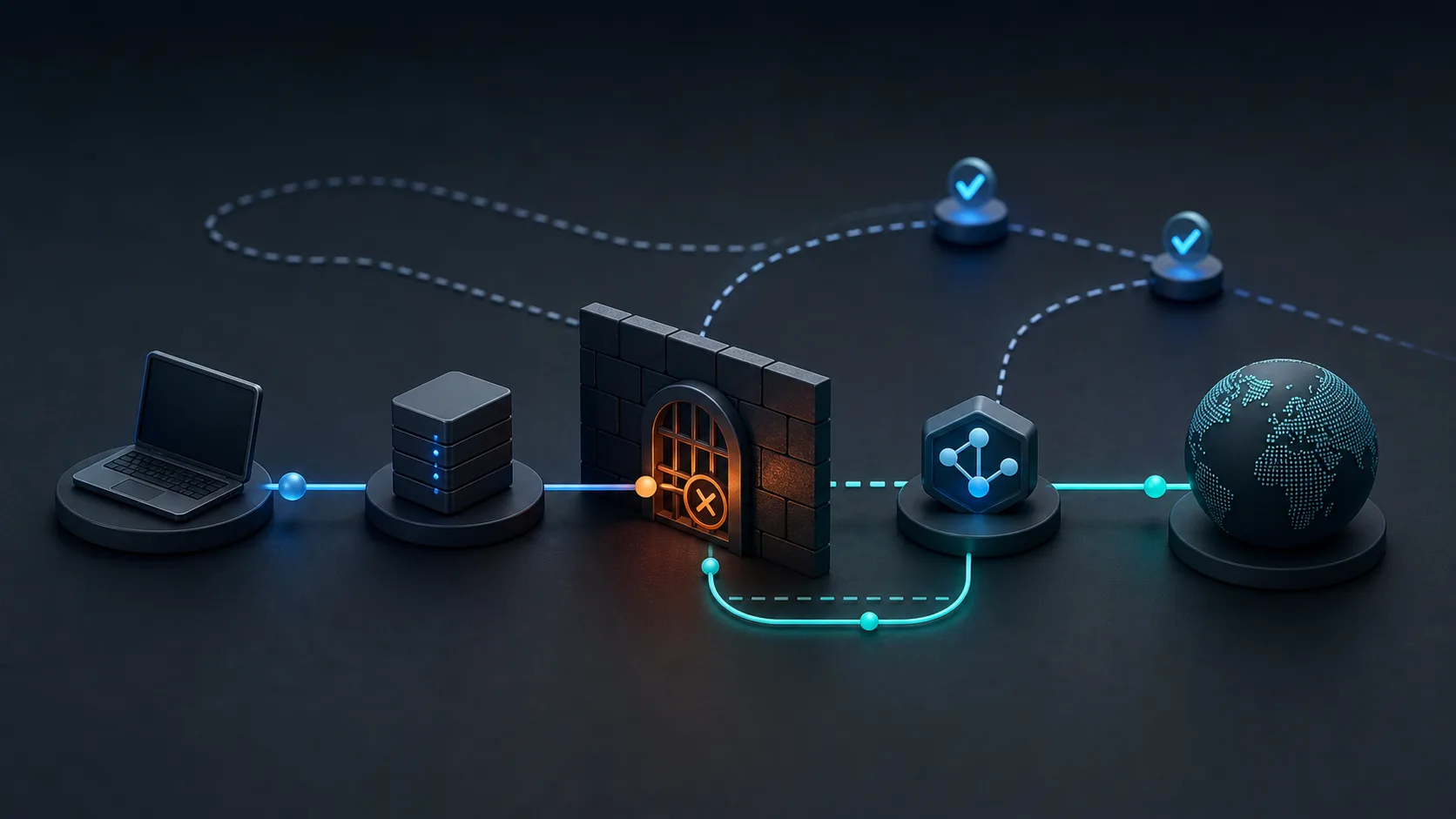
HTTP vs SOCKS5 is not a raw speed contest. The better proxy protocol is the one that best fits browser setup, mixed-tool compatibility, and your real troubleshooting path.
Rotating residential proxies pricing is shaped by retry waste, geo targeting, session behavior, and page weight, not just the headline price per GB.
Estimate your first static proxy batch by concurrent identities, workflow lanes, and spare capacity instead of guessing one proxy per total account.
Choose static residential when long-lived sessions need believable identity continuity. Choose static datacenter when stable IP control and lower cost matter more than residential trust signals.

Unlimited residential proxies usually describe a billing model, not unlimited concurrency, sessions, or throughput. Here is how to validate the claim before you buy.

Run a small but realistic proxy trial before you buy. Test speed, geo accuracy, authentication stability, and block rate so you can decide whether to buy, limit, or reject a provider.
HTTP proxy not working? Learn how to fix 407 errors, isolate CONNECT tunnel failures, separate TLS mismatch from proxy failure, and verify the proxy path before blaming the target site.

Sticky session vs rotating proxy is really a decision about continuity versus distribution. This guide shows which model fits logins, scraping, QA, and browser-heavy workflows before you waste time debugging the wrong setup.

If your Selenium proxy looks configured but traffic still behaves inconsistently, the problem is usually narrower than it looks. This guide shows how to verify routing, separate auth failures from browser config issues, compare headed and headless behavior, and fix session drift across local, CI, and Grid environments.

If your SOCKS5 proxy looks connected but traffic still behaves strangely, the problem is usually narrower than it looks. This guide shows how to verify routing, catch DNS leaks, separate auth failures from connection failures, spot app-level bypass, and decide when SOCKS5 is the wrong fit for the job.