
HTTP 429 After Proxy Rotation: IP Pool or Request Pacing?
Diagnose HTTP 429 after proxy rotation by separating request pacing, identity carryover, sticky sessions, and proxy-pool fit before changing providers.
Diagnose HTTP 429 after proxy rotation by separating request pacing, identity carryover, sticky sessions, and proxy-pool fit before changing providers.

Unlimited bandwidth doesn’t mean unlimited throughput. Learn how providers enforce limits via shaping, concurrency, ports, and session TTL—and how to validate with measurable tests and an evidence bundle.
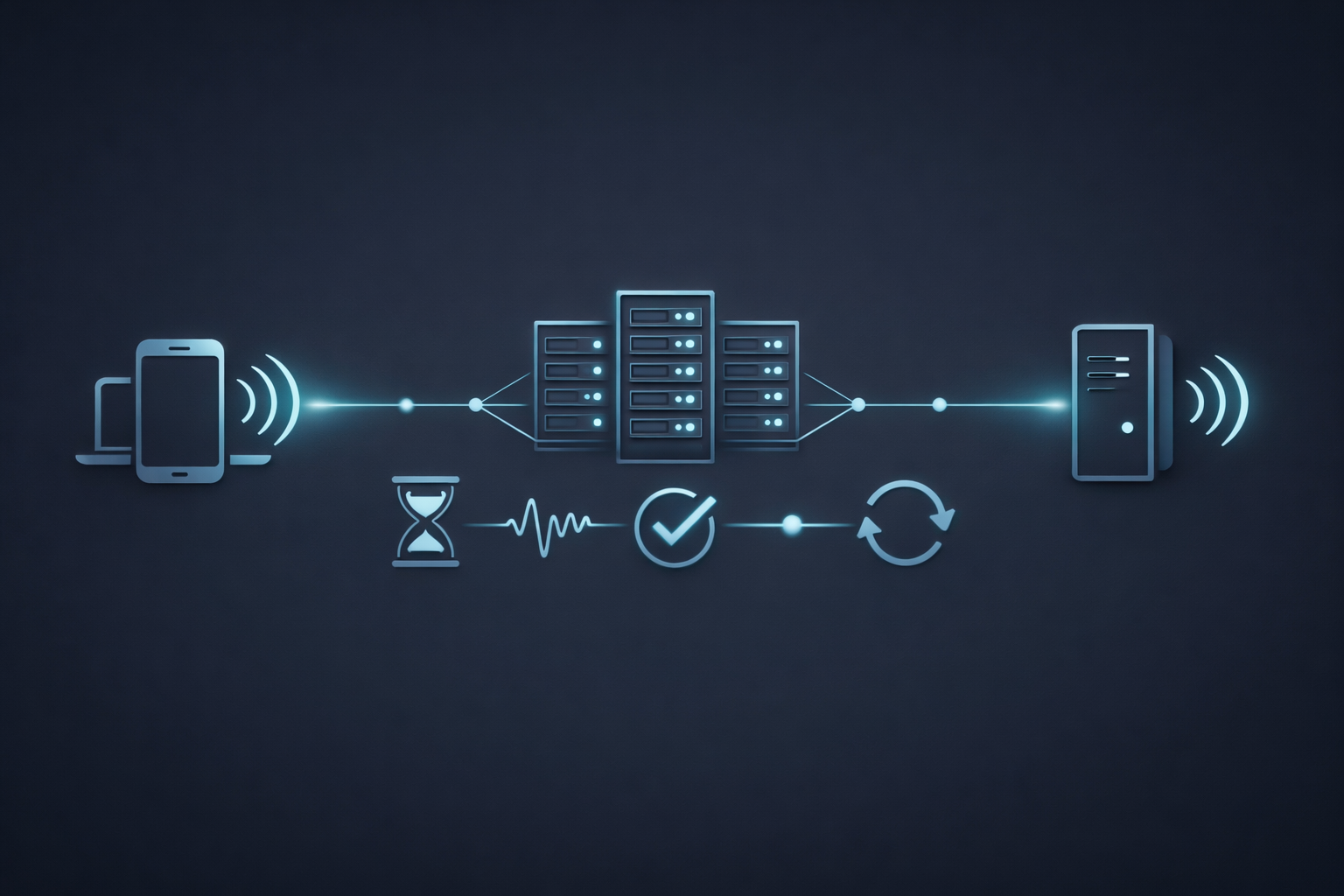
Choose and run datacenter proxies with evidence, not marketing: pass/fail gates, ramp-and-soak tests, troubleshooting flows, procurement questions, and monitoring playbooks.

Rotating residential proxies can look stable in trials and fail at scale. Four verification gates, two reproducible labs, and an evidence bundle to measure drift, 429 pressure, and cost per success.

A practical evaluation playbook for rotating residential proxies: when to use them, how to test them under real load, how to score providers, and how to calculate true cost per 1,000 successful requests—plus trial traps, fast fixes, and lightweight compliance and ops checklists.

Residential proxies change network identity, not bans. Use sticky+isolated pools for logins, rotating+throttled pools for scraping; verify with curl, then triage 429/403/challenges; track success rate and cost per success.

Rotating datacenter proxies rotate datacenter IPs to scale public-page collection and automation. It explains rotation modes, best uses, and key limits.
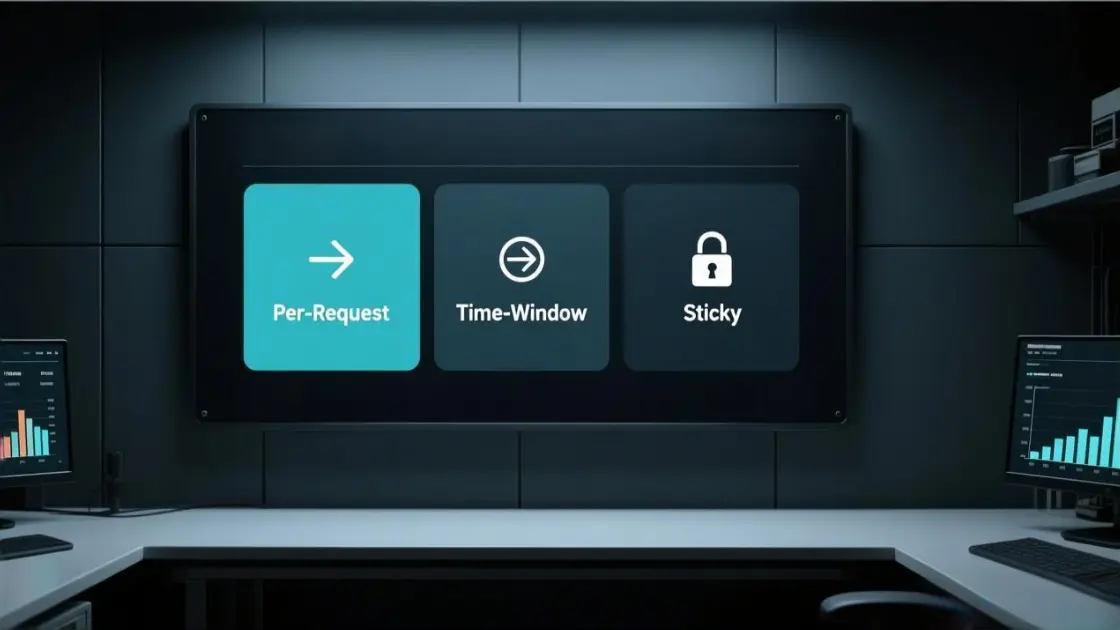
Rotating datacenter proxies stay stable when rotation mode, sticky sessions, and pacing are tuned. Use clear defaults to reduce blocks and keep jobs consistent.