
Proxy IP Allowlist Not Working? Check Source IP, IPv6, and Rule Sync
A practical checklist for troubleshooting a proxy IP allowlist that is not working, including source IP checks, IPv4/IPv6 differences, rule scope, and sync delays.

A practical checklist for troubleshooting a proxy IP allowlist that is not working, including source IP checks, IPv4/IPv6 differences, rule scope, and sync delays.

A practical proxy retry policy for deciding when to retry a request, rotate a route, or stop before repeated failures hide the real cause.

A practical comparison of HTTP and SOCKS5 proxies for account access workflows, covering protocol fit, DNS behavior, authentication, routing stability, and when to stop before a session starts.

A practical checklist for testing residential proxy stability, route consistency, session duration, DNS behavior, and logging before long account-access work begins.

A practical checklist for defining route ownership, allowlist rules, target scope, and escalation notes before proxy-based team workflows begin.

A practical proxy troubleshooting log template for recording route identity, session boundaries, health signals, DNS checks, and change results before replacing an IP or endpoint.
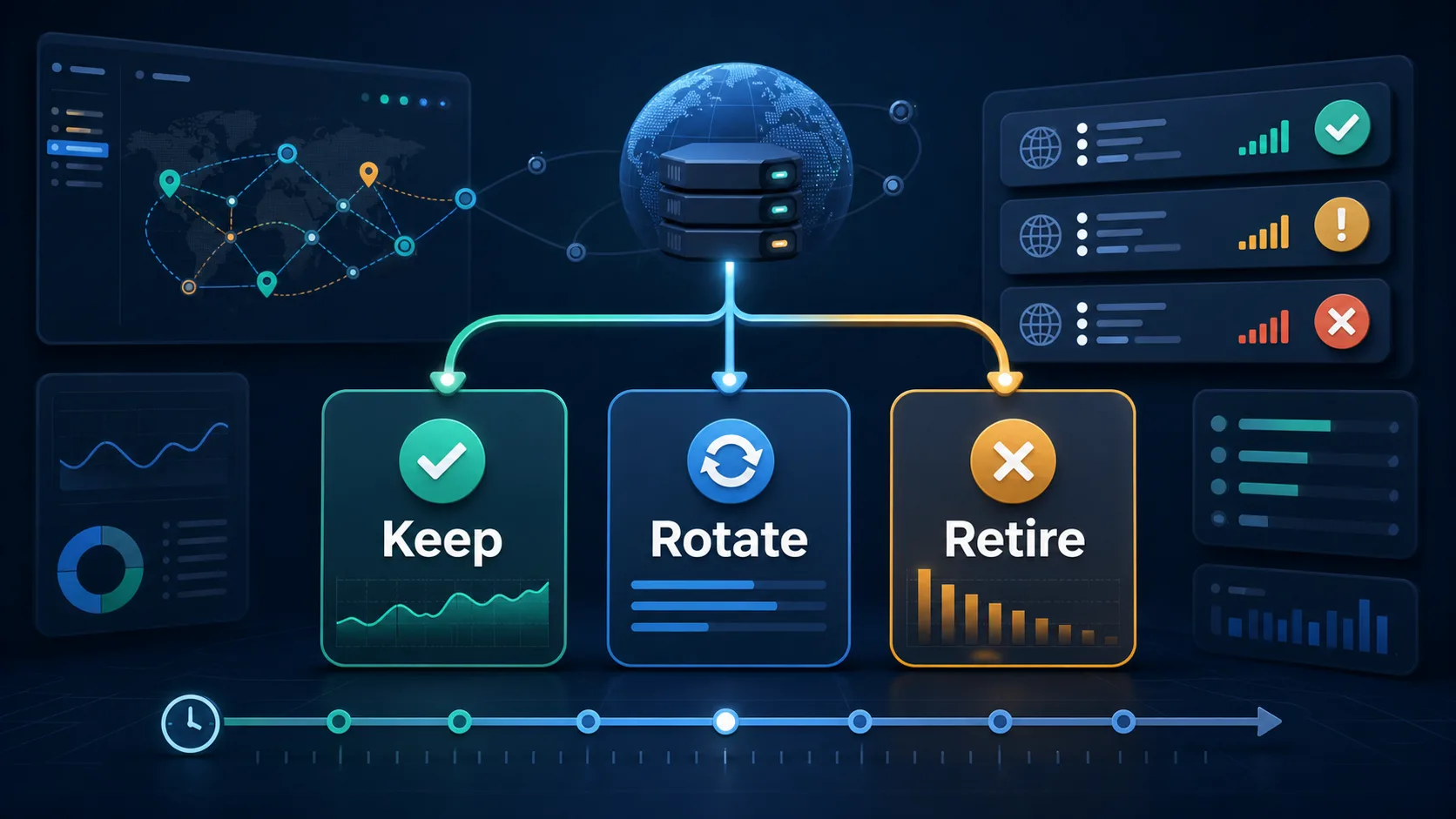
A proxy rotation schedule should not mean changing IPs at random. Use this practical checklist to decide when to keep a stable route, rotate for a new task, or retire an IP from a workflow.

A practical proxy failover checklist for deciding whether to change the IP, port, route, session rule, client setting, or provider when proxy routes become unstable.

Use this sticky session proxy checklist to verify route stability, session persistence, connection reuse, and account workflow evidence before blaming the proxy pool.
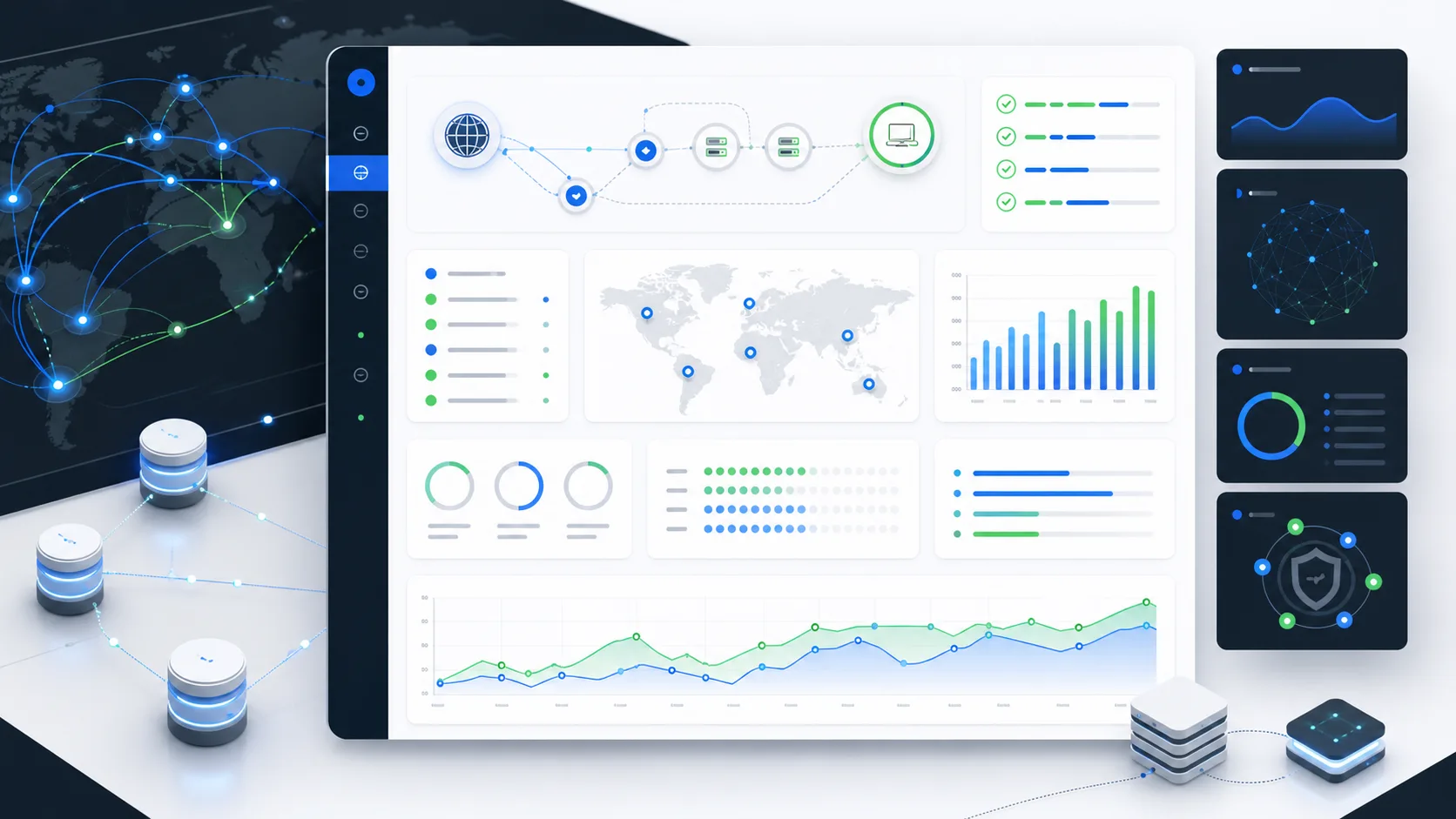
Use this proxy health check scorecard to review availability, DNS behavior, IP reputation, location accuracy, latency, and session stability before scaling traffic.